The style characteristics of lace kimonos
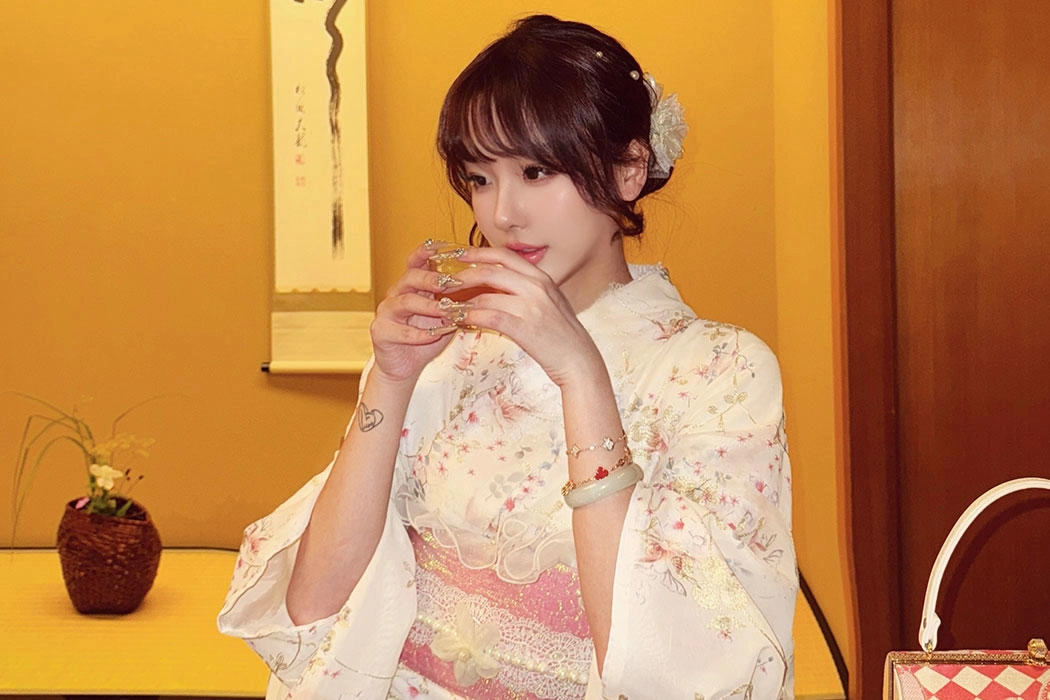
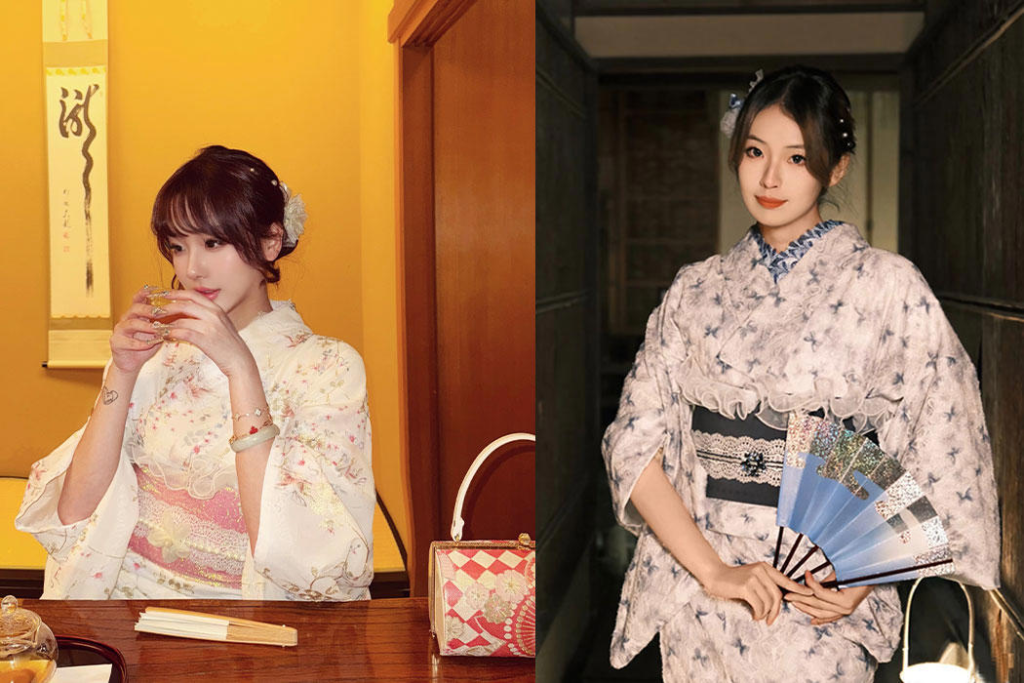
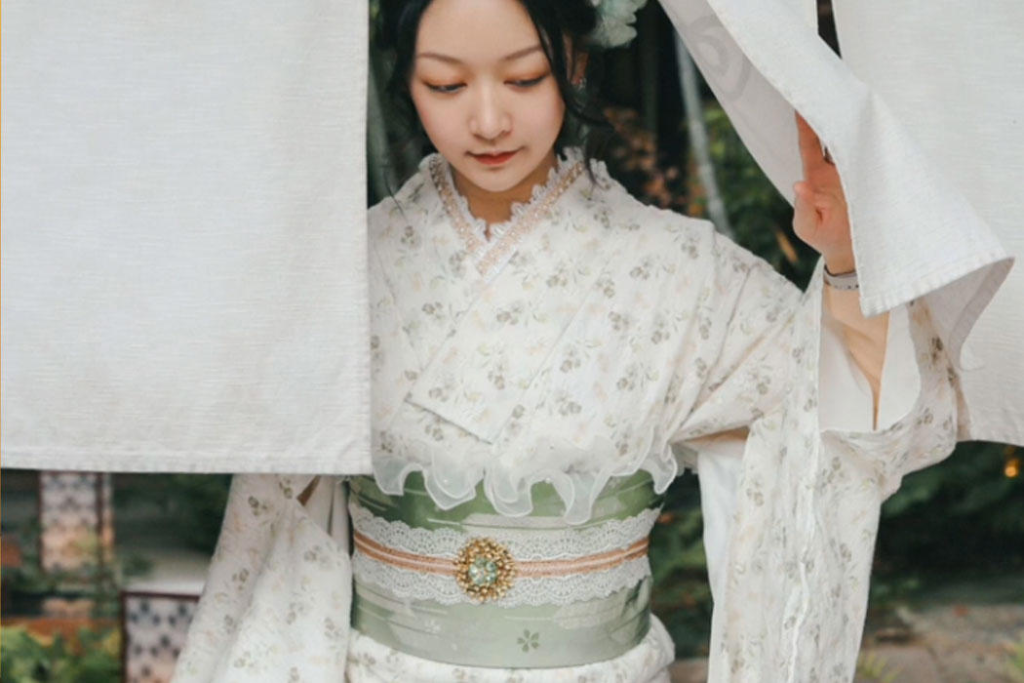
The layering effect of material collision: Traditional kimonos mostly use natural fabrics such as cotton, silk, and linen, while lace kimonos use delicate lace (such as Chantilly lace and water-soluble lace) as the main body or embellishment. The transparent and semi-transparent texture adds a touch of lightness and softness to the original solemnity of the kimono. When sunlight shines through the lace pattern, it will cast delicate light and shadow on the skin, like a flowing galaxy.
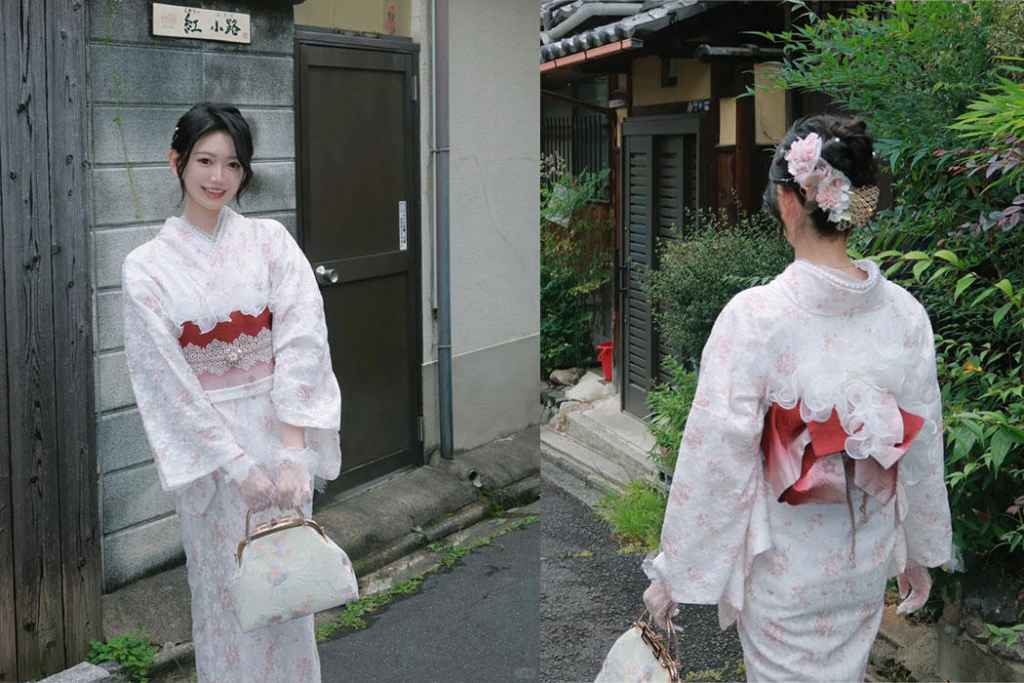
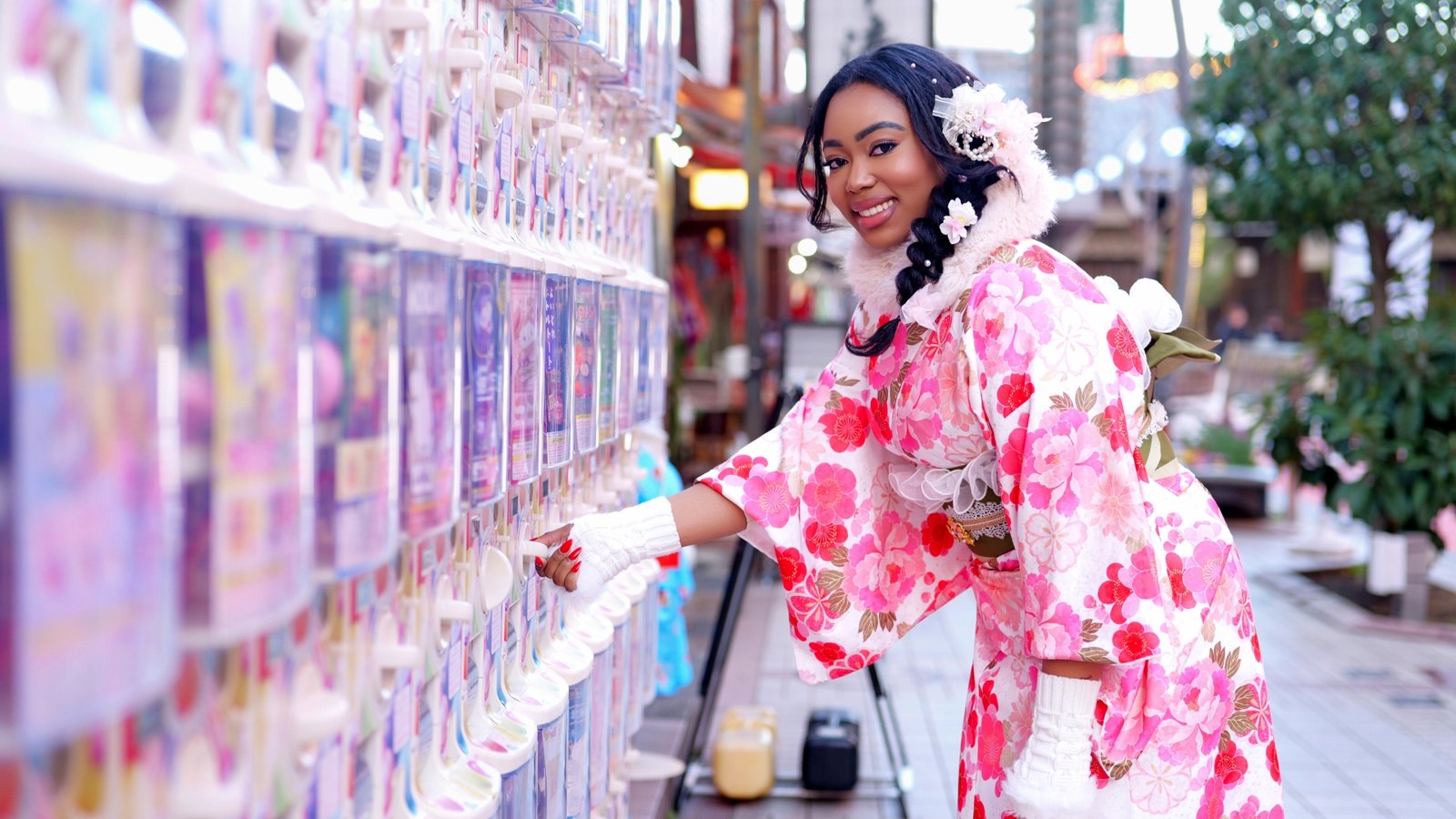
The patterns are fused together: lace patterns (such as scrolling grass and rose patterns) and traditional kimono patterns (such as bellflower patterns and tortoise shell patterns) often appear together. For example, lace trim is added to the edges of the furisode of the kimono, or simplified family crests are embroidered with lace at the waistband knot, which has both the romantic and gorgeous Western style and the understated elegance of the East.
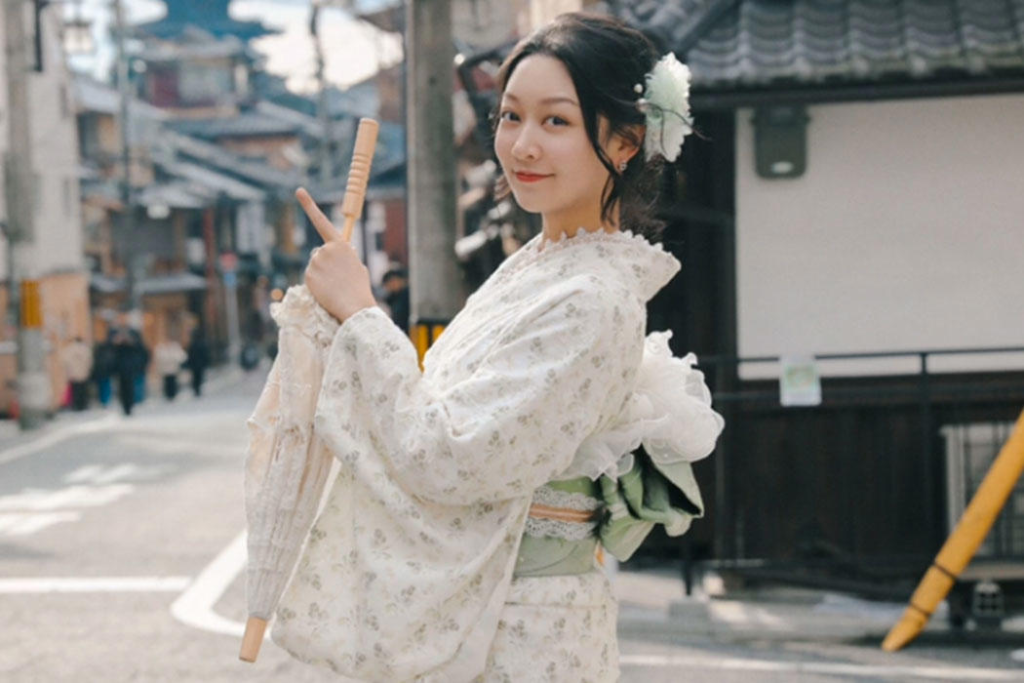
Lightweight and innovative tailoring: To suit the characteristics of lace, lace kimonos are often tailored to be simpler and more streamlined, reducing the heavy lining of traditional kimonos. The skirt is more flowing, and the movement of the lace and the drape of the kimono create a wonderful dynamic balance, making it suitable for spring and summer or indoor occasions.
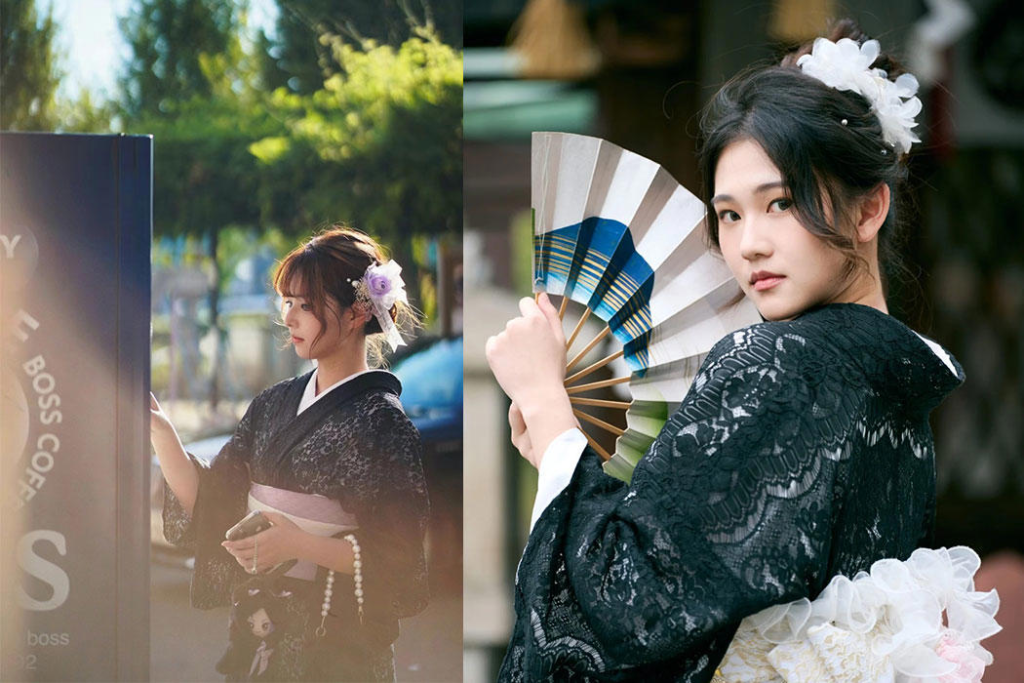
Suitable occasions for wearing lace kimonos
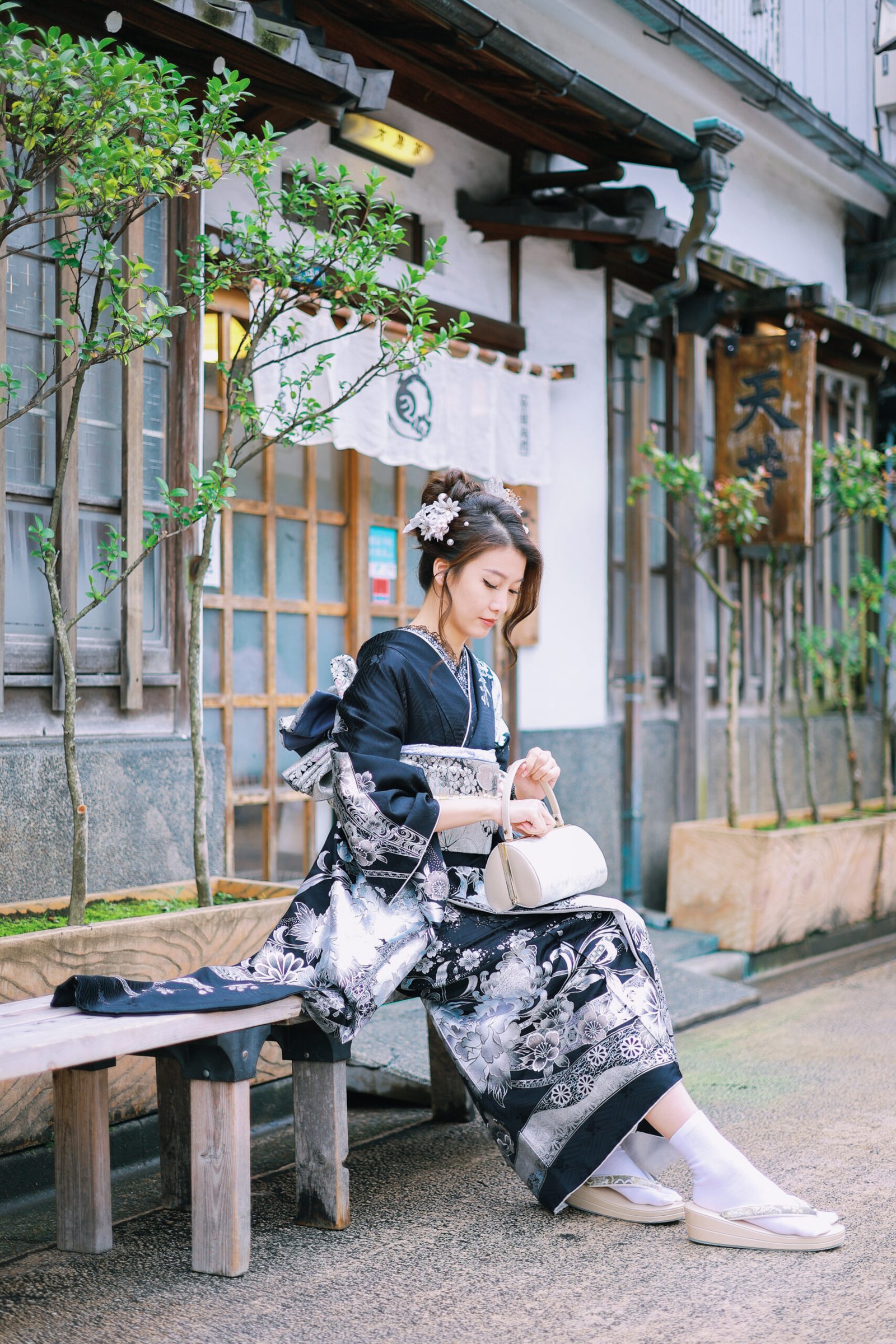
For a luxurious party or dinner: A black kimono with a patchwork of lace and silk, paired with a pearl necklace and strappy sandals, not only showcases the ceremonial feel of the kimono, but also breaks the monotony with the sexy element of lace, making you the focus of the entire event.
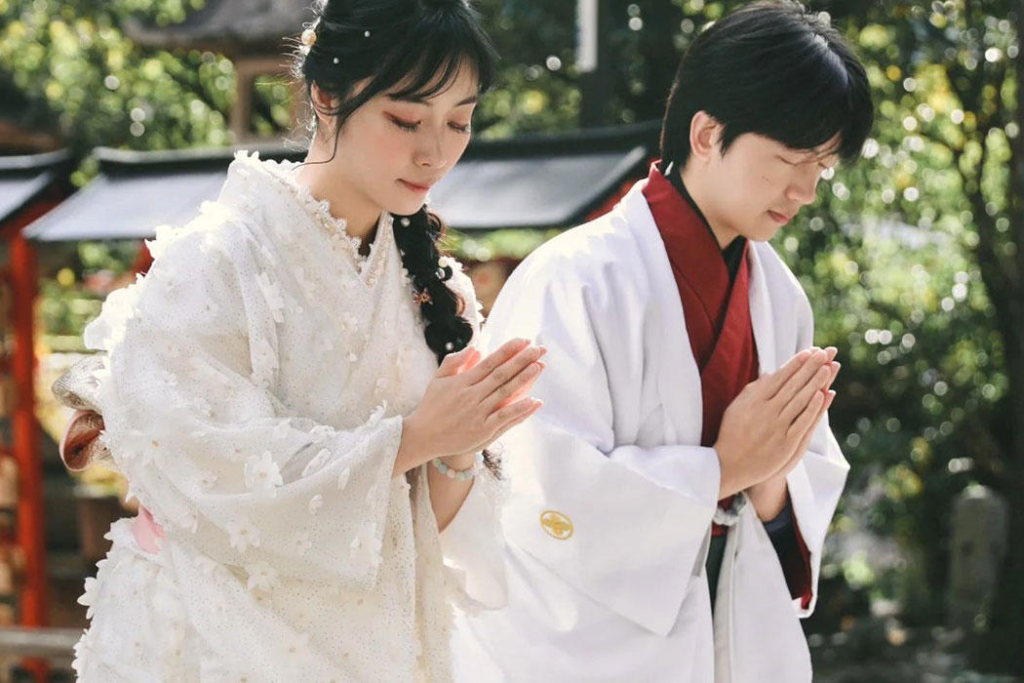
A second look at a Japanese wedding: After the traditional Shinto ceremony, the bride changes into a white lace furisode kimono (often adorned with rhinestones or pearls). This look conveys the bride’s purity while also having a more modern feel than traditional wedding attire, making it suitable for interactive segments during the wedding reception.
Tips for styling lace kimonos
The principle of minimalist accessories: Since lace already has intricate patterns, it is advisable to choose simple accessories when pairing it, such as delicate silver hairpins or plain tabi socks, to avoid excessive decoration that creates visual clutter.
Color coordination method: If the lace is white or light-colored, it can be matched with a belt of the same color (such as a beige satin ribbon); if the lace has colorful embroidery, one of the colors can be extracted as the main color of the belt or straw sandals to make the overall look more harmonious.
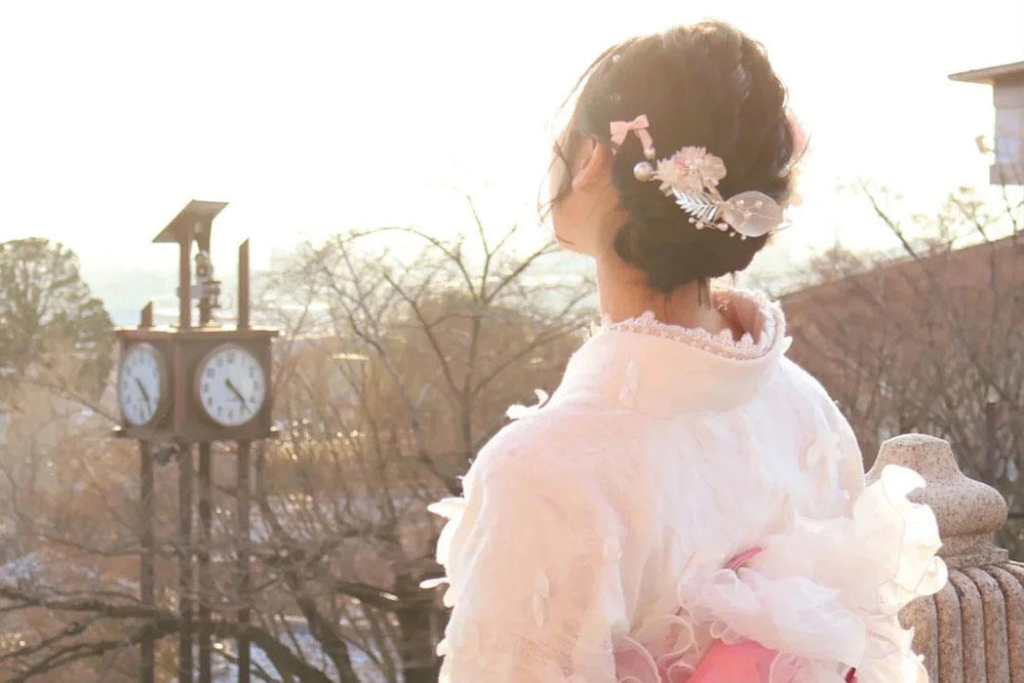
The charm of a lace kimono lies in its departure from the rigid “rules” of traditional kimonos, and its avoidance of reducing lace to mere decoration. Instead, it finds a balance between the two—offering both the gentle embrace of the kimono’s curves and the delicate expression of feminine allure through lace. It’s a perfect example of the fusion of traditional and modern, Eastern and Western aesthetics. If you’d like to try a different kimono style, a lace kimono might just bring you unexpected surprises!
ookini places great importance on the customer experience. It boasts the largest and most comprehensive selection of lace styles in the Kyoto and Tokyo areas. Welcome to ookini to experience different styles of lace kimonos.