Step into a kimono and feel the true vibe of traditional Japan.
The Living Art of Kimono
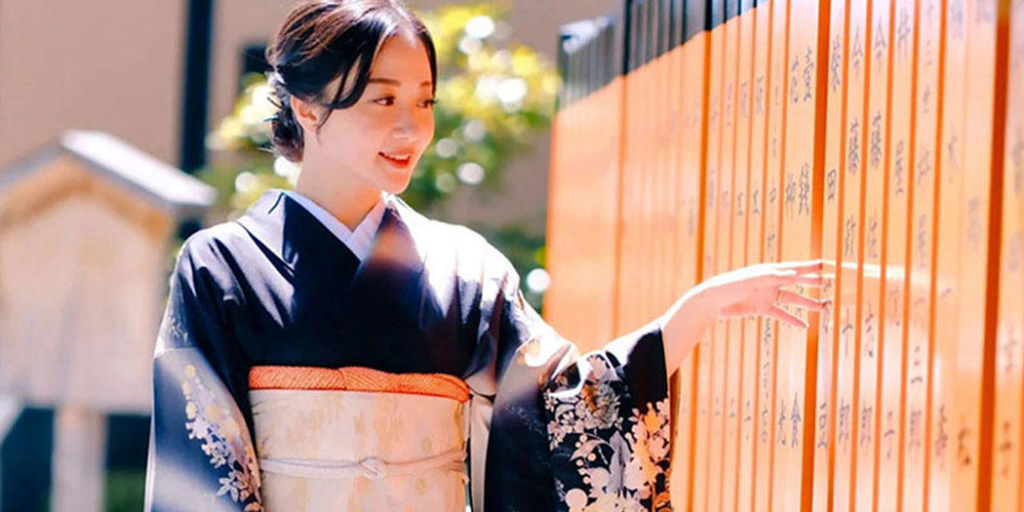
As the morning sun lights up Kyoto’s ancient stone alleys, women in elegant kimonos grace the streets. Their wide sleeves flutter in the breeze, intricate obis adorn their backs, and their wooden clogs click-clack with every step—bringing a moving ukiyo-e print to life. More than just traditional attire, the kimono is a living cultural art, carrying centuries of aesthetic wisdom.
A Silhouette of Japanese History
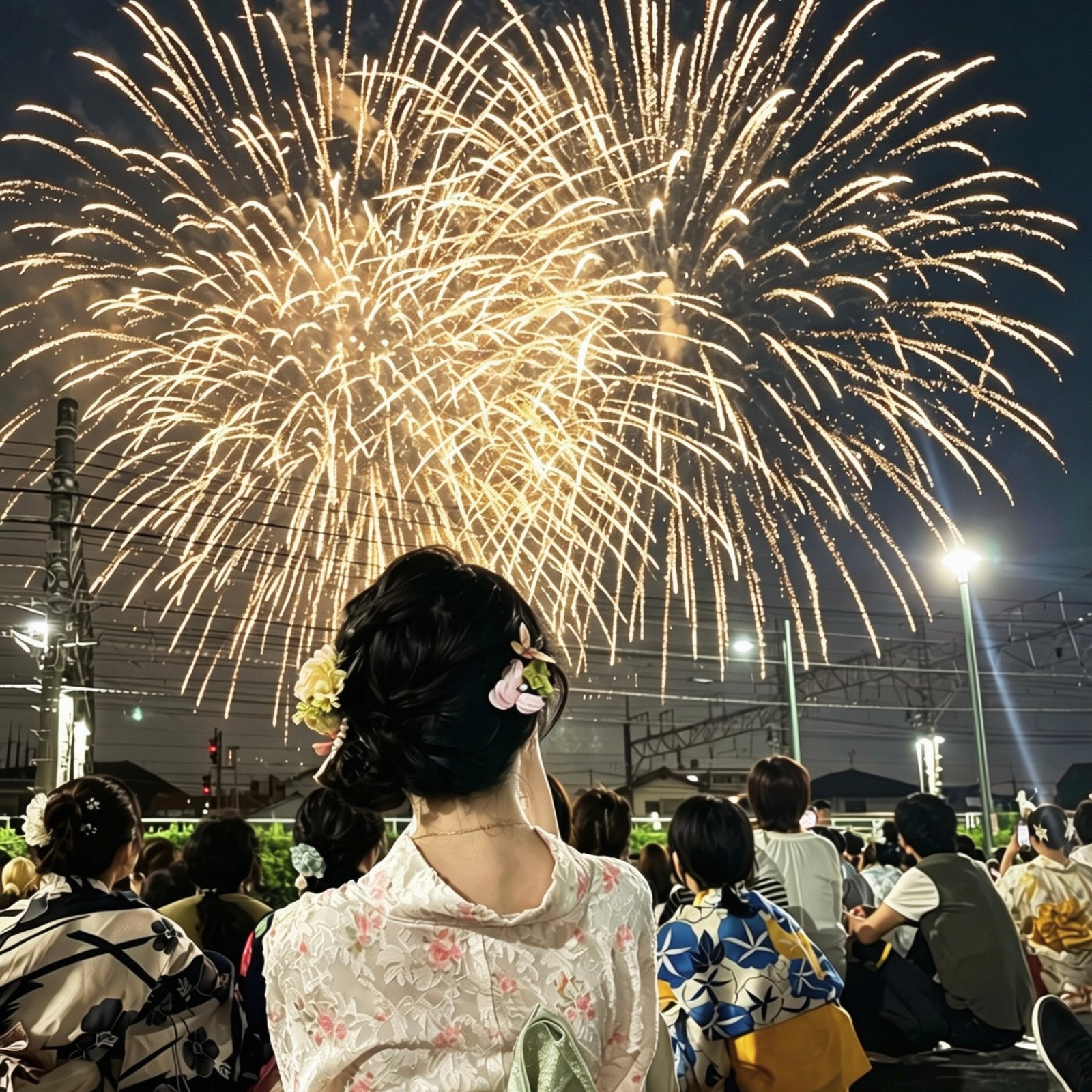
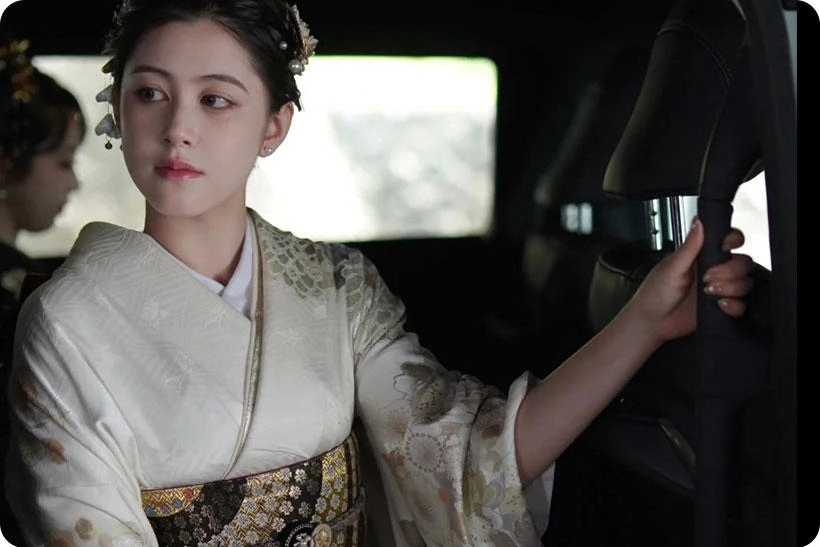
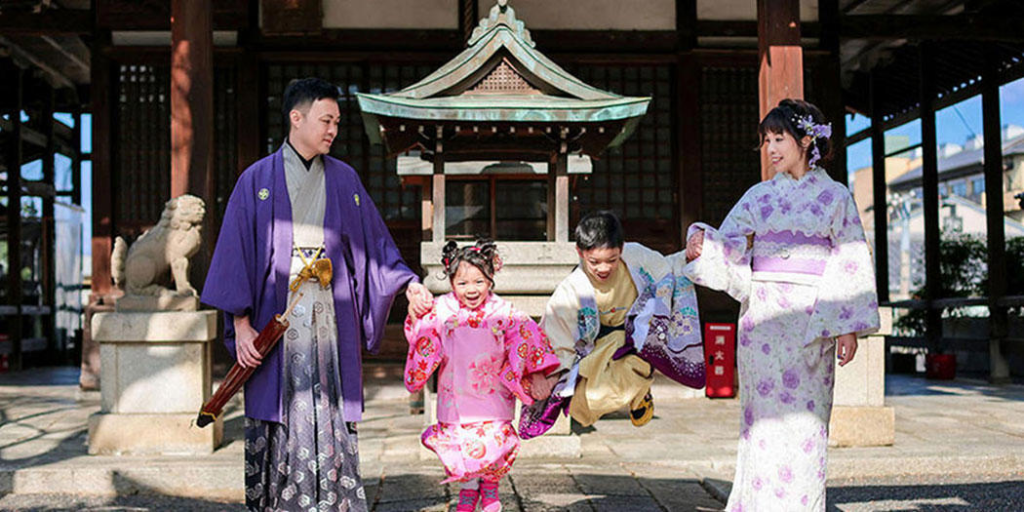
Kimono fashion mirrors the very history of Japanese culture. In the Heian period, aristocratic women layered twelve flowing robes, matching every color to define the ultimate aesthetic. The Edo period introduced the ‘furisode,’ whose ornate long sleeves symbolized youth, while the sleek ‘tomesode’ graced married women with understated elegance. Today, people celebrate summer at fireworks festivals in light, cool ‘yukata,’ and embrace winter in double-layered ‘awase’ for warmth. Every thread captures the spirit of its era, weaving the wisdom of Japanese life through time.
The Magic of the Perfect Tie
Kimono dressing channels profound Zen philosophy. From the first smooth of the fabric through ten meticulous steps, the dresser shapes a flowing silhouette on the body. Instead of accentuating physical curves, this art creates a deliberate ‘space’ between fabric and skin, mirroring the Japanese aesthetic of ‘ma’ (negative space). The sash knots weave endless stories—from the simple ‘bunko’ to the intricate ‘tateya.’ Each tie crafts a visual haiku, subtly echoing the wearer’s soul.
Rocking the New Kimono Look Everyday
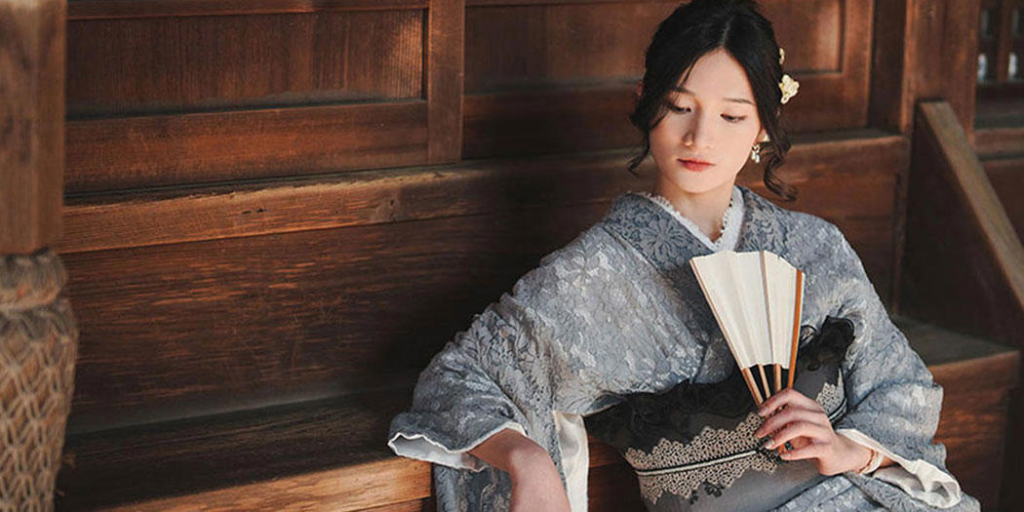
Modern Japan is sparking a creative kimono revival. Young designers blend traditional patterns with contemporary tailoring, crafting modified styles for everyday wear. In Harajuku, Tokyo, fashionistas pair kimonos with bold ankle boots, while Kyoto office workers rock sleek, kimono-inspired jackets in local cafes. This vibrant fusion of old and new breathes fresh life into the garment, seamlessly weaving traditional culture into the fabric of modern life.
Every Pattern Tells a Story
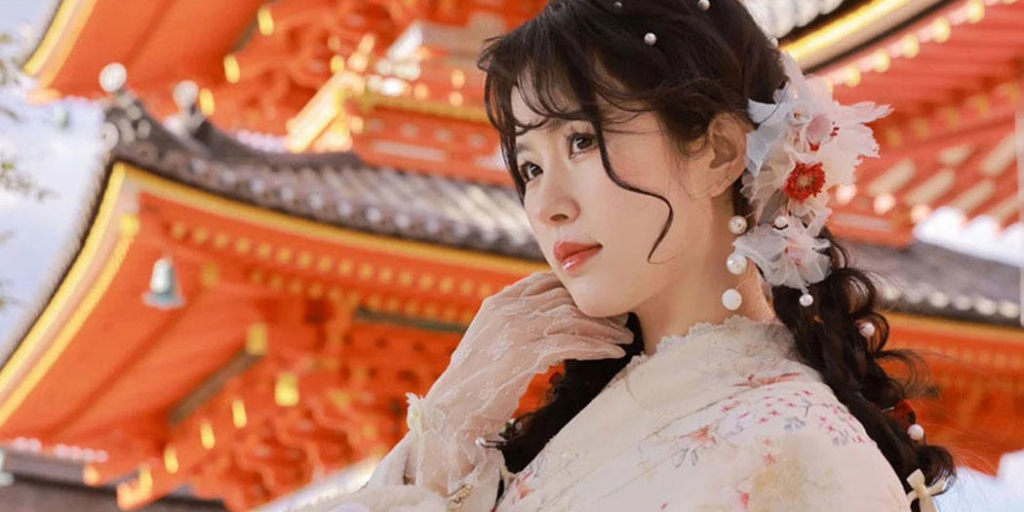
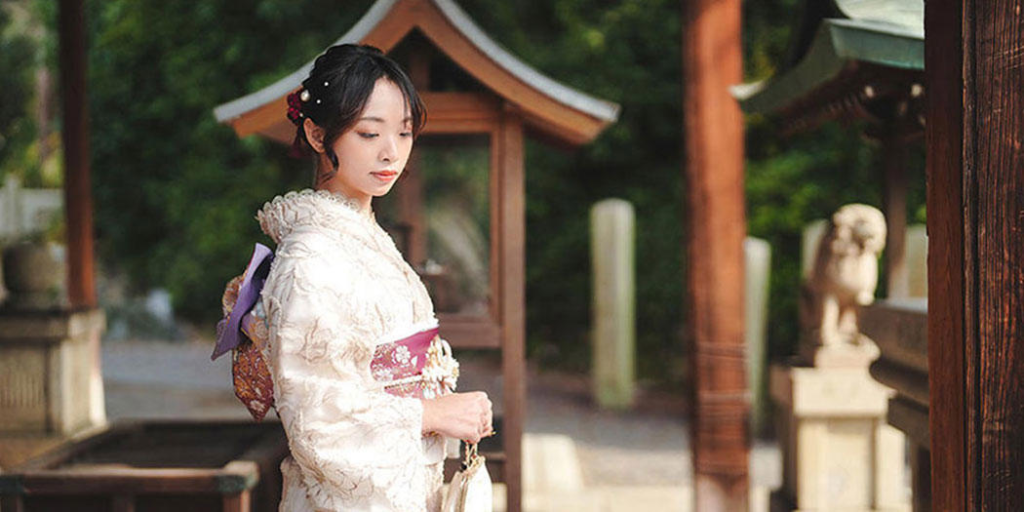
Kimono patterns tell equally captivating stories. Artisans transform nature into wearable art through ‘Yuzen’ or ‘kata’ dyeing—weaving spring cherry blossoms, summer morning glories, autumn maples, and winter snow into every thread. An exquisite kimono lets you carry the beauty of the changing seasons with you. In fact, stylish Kyoto locals can instantly judge your aesthetic taste just by glancing at your patterns.
Why You’ll Fall in Love with Kimonos
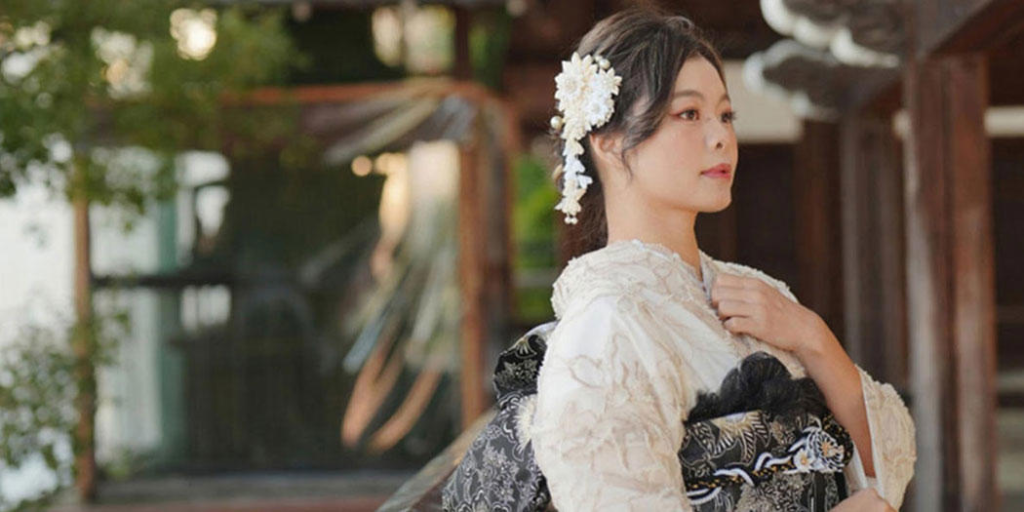
- The ultimate charm of kimono culture lies in its inclusivity. Masterful dressing techniques bring out unique beauty for every body shape and age. This fashion philosophy refuses to judge beauty by body type—a rare and precious perspective in today’s world. As a Kyoto dressing instructor puts it: ‘The kimono doesn’t highlight your figure; it showcases your soul.’
- When you visit Japan, immerse yourself in this timeless charm. Professional dressers near Senso-ji Temple will help you step into a stunning kimono. Strolling through Kyoto’s historic streets in traditional attire feels incredibly natural, while changing into a cozy yukata at a hot spring inn offers authentic Japanese relaxation. Every session sparks a deep dialogue with Japan’s heritage.
- The kimono acts as a key, unlocking the door to Japanese aesthetics. It teaches us to appreciate curves within straight lines, splendor within simplicity, and freedom within constraint. In our fast-paced world, the composure and refinement of the kimono bring the exact inner peace we all yearn for.
- Come experience the magic of the kimono firsthand! Whether you join a traditional tea ceremony or wander through ancient alleys, a kimono adds an unforgettable cultural depth to your journey. Let’s embrace the timeless elegance of the East and craft your own unique memories. ookini Kimono awaits you!