In Japan, festivals (matsuri) are not only times for celebration, but also stages for the continuation of traditional culture. The kimono, as Japan’s most representative national costume, plays an indispensable role in these festivals. From spring festivals with cherry blossoms in full bloom to autumn temple fairs bathed in vibrant autumn foliage, the kimono, with its colorful hues, exquisite patterns, and profound cultural connotations, becomes a flowing spectacle during these festivals.
I. Kimono: A Cultural Symbol in Festivals
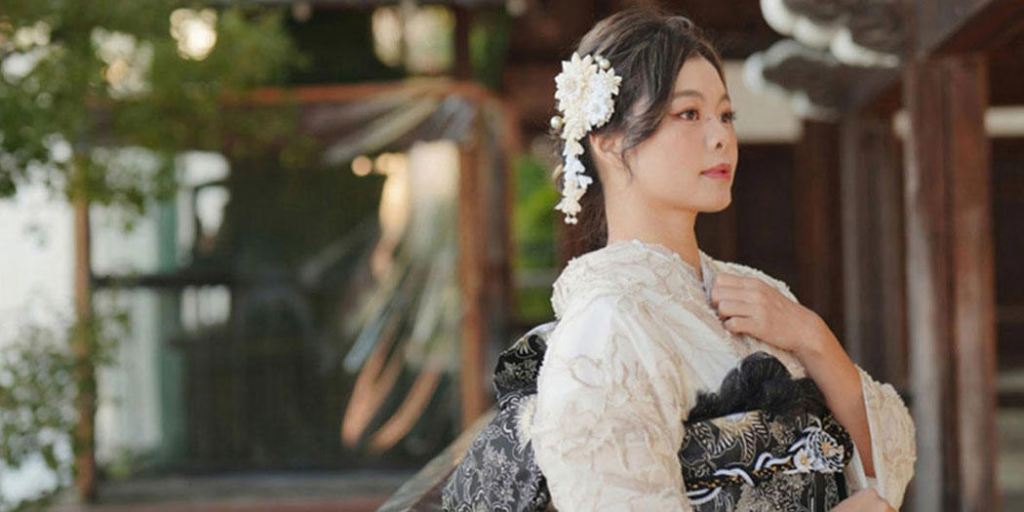
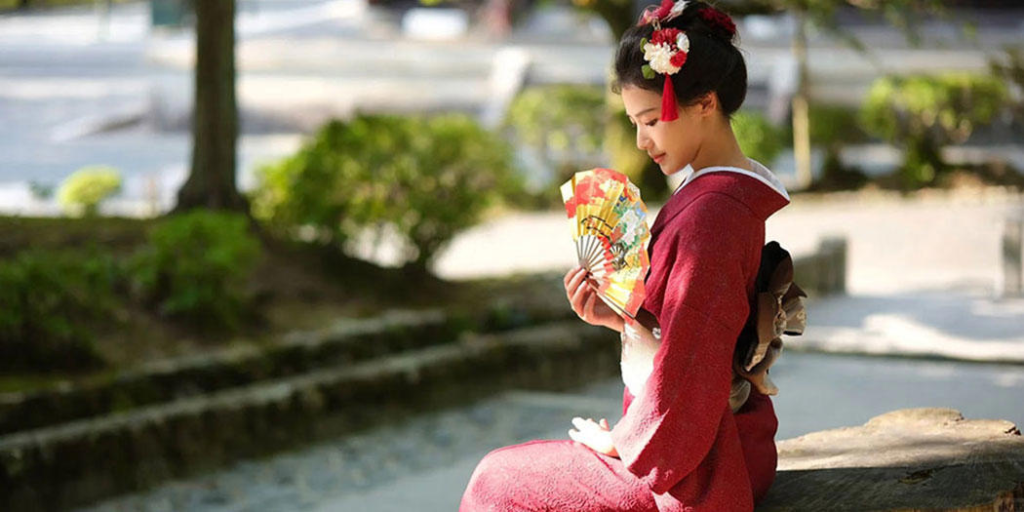
- Symbols of status and occasion: Different festivals correspond to different kimono styles. Unmarried women often wear furisode (furisode) for Coming-of-Age Day or cherry blossom festivals, with its long sleeves being gorgeous and eye-catching; married women are more likely to choose hōmongi (visiting kimono) or iromuji (green kimono), which are elegant and dignified.
- Auspicious meanings in patterns: Festival kimonos often use traditional patterns such as pine, bamboo and plum (symbolizing resilience), crane and tortoise (symbolizing longevity), and waves (symbolizing eternity) to express people’s wishes for a happy life.
- Seasonal elements are reflected in the design: Spring kimonos feature cherry blossoms and butterflies, summer yukatas often have cool patterns such as goldfish and wind chimes, and autumn and winter kimonos prefer richer colors such as red leaves and snow patterns.
II. The Charm of Kimono During Classic Festivals
Every year on the second Monday of January, young Japanese people who turn 20 years old participate in Coming of Age Ceremony in formal attire. Women often choose furisode kimonos with sleeves that reach the ground, paired with an exquisite obi (sash) and hair ornaments, symbolizing youth and the infinite possibilities of the future.
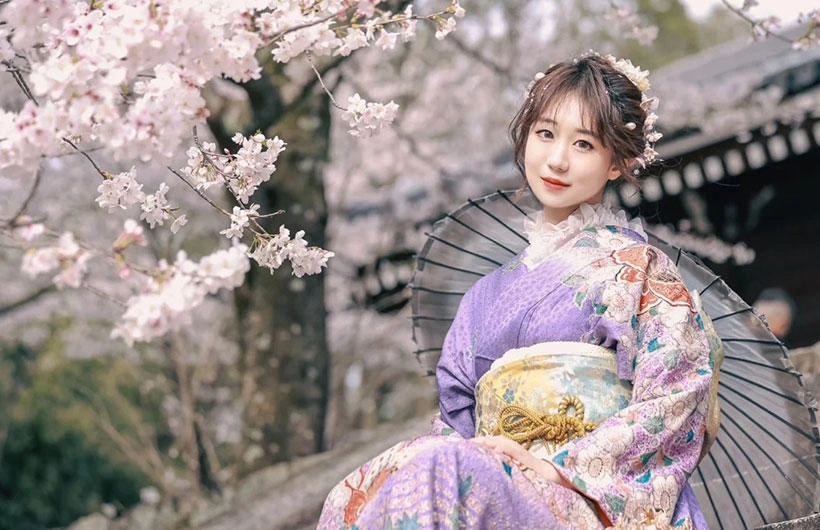
In places like Arashiyama in Kyoto and Ueno Park in Tokyo, people wear pink and light purple kimonos to enjoy the cherry blossoms. Lighter versions of yukata (summer kimonos) also make an early appearance, paired with geta (wooden clogs) and fans, perfectly capturing the lightness and joy of spring.
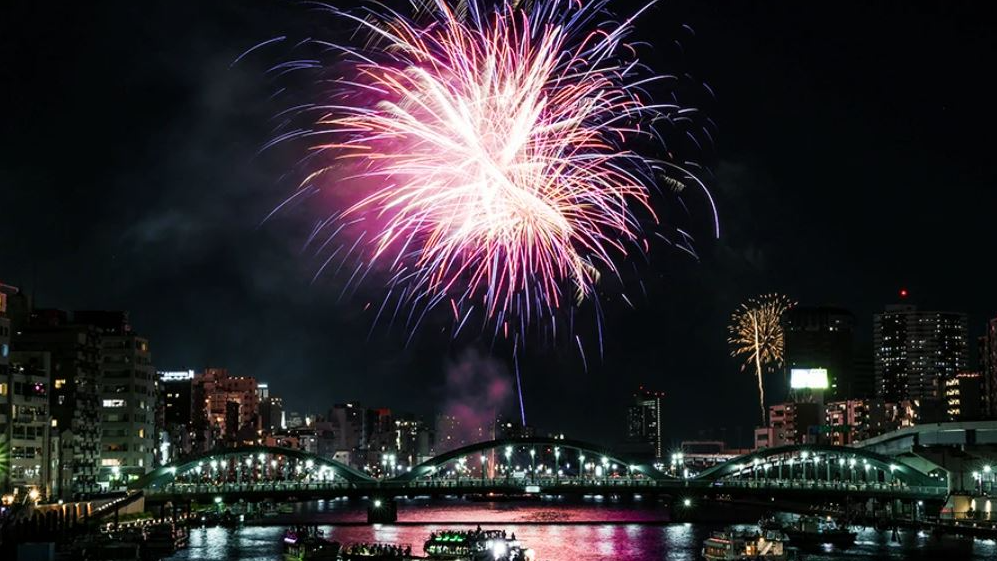
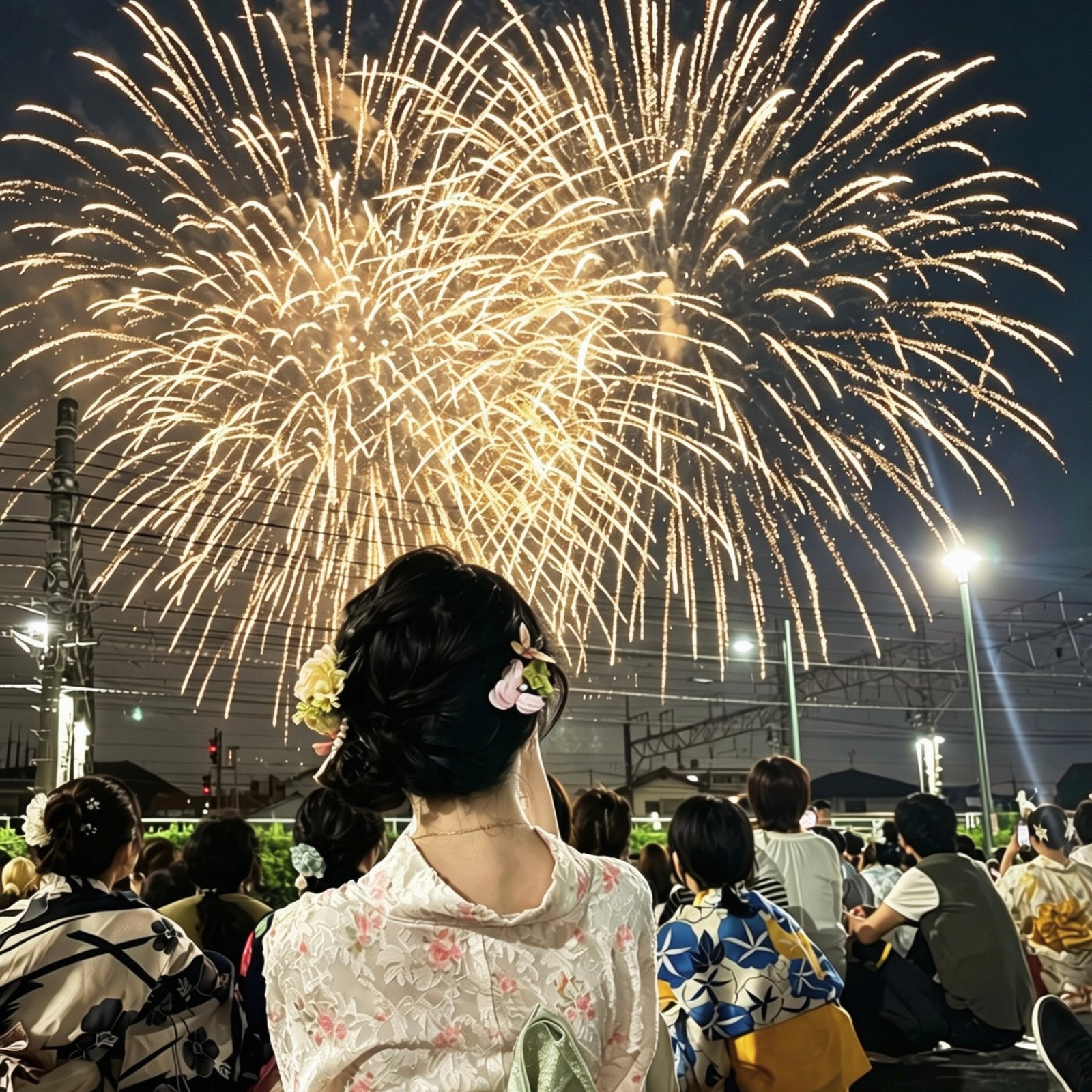
The Gion Festival in Kyoto is one of Japan’s three major festivals, during which women often wear yukata to participate in the nighttime festival. Although yukatas are simpler than formal kimonos, they are brightly colored and, when paired with a thin obi (half-obi) and geta (wooden clogs), become the most beautiful sight on summer nights.
During the Obon festival, various regions hold Bon Odori (a type of dance performance), where people wear yukata and dance to the rhythm of taiko drums. The lightness of yukata makes it a top choice for summer festivals, especially the indigo-dyed and goldfish-patterned styles, which are full of childlike fun and vitality.
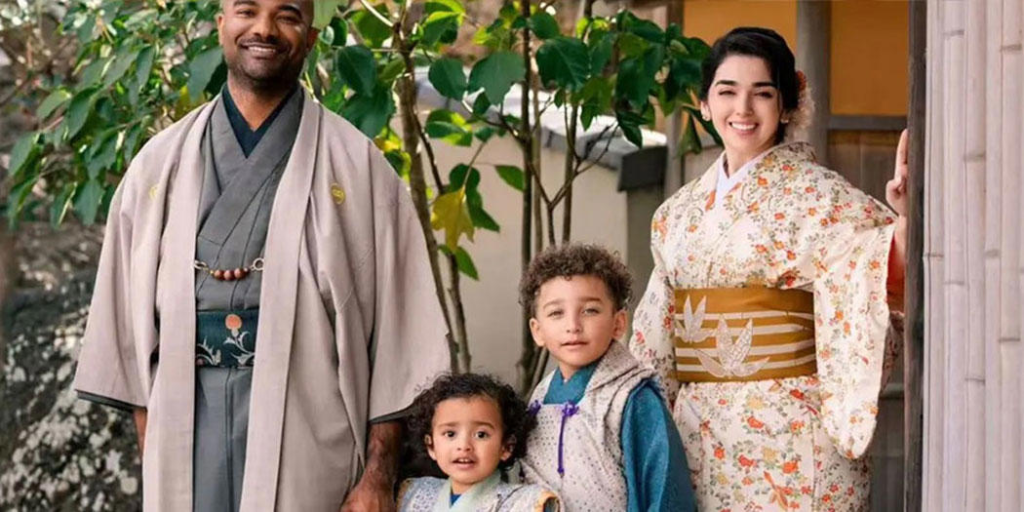
On November 15th, 3-year-old and 5-year-old boys, and 3-year-old and 7-year-old girls, will wear kimonos (irimuku) or haori (hakama) to visit shrines. The girls’ kimonos are brightly colored, while the boys mostly wear haori (montsukuke), symbolizing healthy growth.
III. New Interpretations of Kimono in Modern Festivals
As times change, the ways in which kimonos are worn during festivals are also evolving:
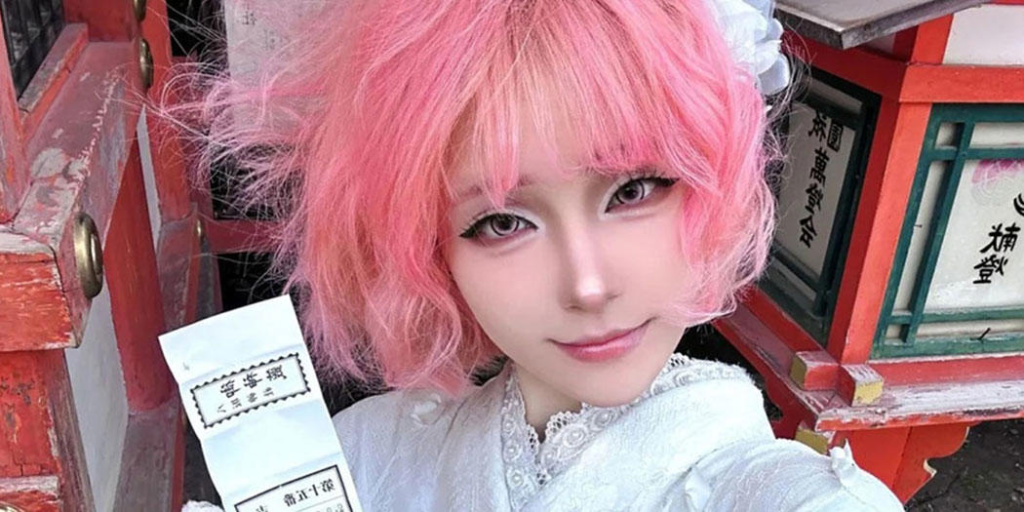
- Fashionable mix and match: Young people are trying to combine kimonos with jeans and sneakers to create a style that blends modernity and tradition.
- Widespread availability of rental services: In Kyoto, Tokyo, and other places, tourists can easily rent kimonos to participate in festivals and experience Japanese culture.
- Combining anime with festivals: such as the “kimono cafes” in Akihabara or anime festivals, cosplay enthusiasts will customize anime-themed kimonos, giving new life to traditional clothing.
IV. Conclusion: Kimono, making festivals a mobile cultural museu
Kimono is not just clothing, but also a symbol of the Japanese people’s respect for nature, history, and etiquette. During festivals, when people stroll through shrines, temple fairs, or under cherry blossom trees in kimonos, they are not just wearing clothes, but also a flowing history and a cultural heritage.
Whether it’s a solemn Coming-of-Age Ceremony or a lively summer festival, the kimono, with its unique charm, always makes every festival a feast for both the eyes and the soul.