Outfit Guide

Kimono: A Walking Poem Across Millennia

“The beauty of a kimono lies in its details.”

— Masako Chiyoda, a master of traditional Japanese kimono

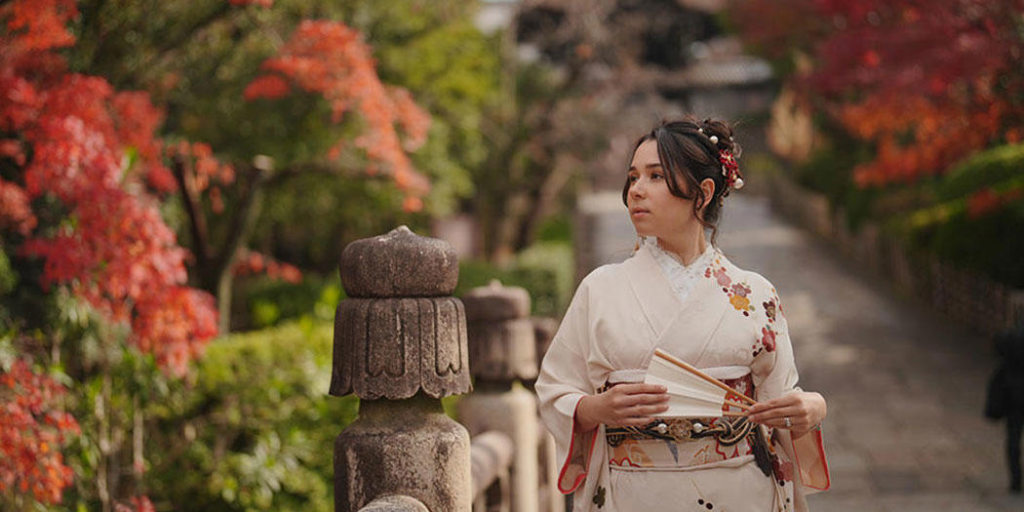
In the ancient streets and alleys of Kyoto, Japan, one occasionally encounters women in kimonos strolling slowly in wooden clogs, their flowing garments seeming to freeze a thousand years in time. The kimono is more than just clothing; it is a cultural epic woven by the Japanese people with silk threads and dyes, a philosophy and aesthetic worn on the body. While the fast pace of modern society pushes global fashion towards simplicity and uniformity, the kimono stubbornly preserves a complex and exquisite set of etiquette, becoming one of the most recognizable symbols of Japanese culture.

The history of the kimono can be traced back to the Kofun period around the 3rd century AD, with its prototype originating from the Wu clothing of China. However, the Japanese did not stop at imitation but integrated foreign culture into their local aesthetics, creating a unique clothing system. During the Nara period (710-794), nobles wore the magnificent twelve-layered kimono; during the Heian period (794-1185), the “hakama” style developed; and by the Edo period (1603-1868), the kimono had basically taken its current form. The evolution of the kimono in each historical period precisely corresponds to the changes in the social structure of Japan—from being exclusively for the nobility to becoming the daily attire of the samurai class, and then to the flourishing of the townspeople’s culture, which gave the kimono more diverse forms of expression. The “kimono” system established during the Edo period made the kimono a true “national costume,” with different styles and patterns strictly corresponding to the wearer’s age, status, and occasion, forming a visual social code.

Kimono making is an almost meticulous traditional craft. From the selection and dyeing of silk to the cutting and sewing, every step embodies the wisdom passed down through generations of artisans. Traditional techniques such as Nishijin weaving in Kyoto, Akita-dyeing in Okinawa, and Yuzen in Kaga are listed as important intangible cultural heritage of Japan. A formal kimono requires approximately 12 meters of fabric, cut with straight lines to accommodate different body types, reflecting the Eastern philosophy of “negative space” and “inclusivity.” The patterns are exquisite—floral flowers of the four seasons, flowing water patterns, and geometric designs not only possess aesthetic value but also carry auspicious meanings. Cherry blossoms symbolize the fleeting yet brilliant nature of life, pine, bamboo, and plum represent resilience and purity, while wave patterns signify the continuity of life. These natural elements, through abstraction, form a unique visual language, transforming the kimono into a wearable work of art.

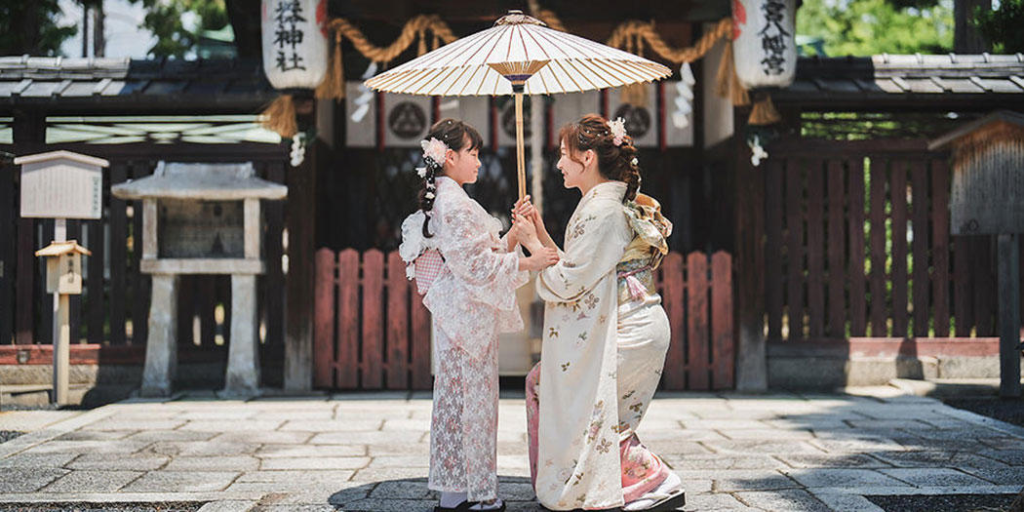
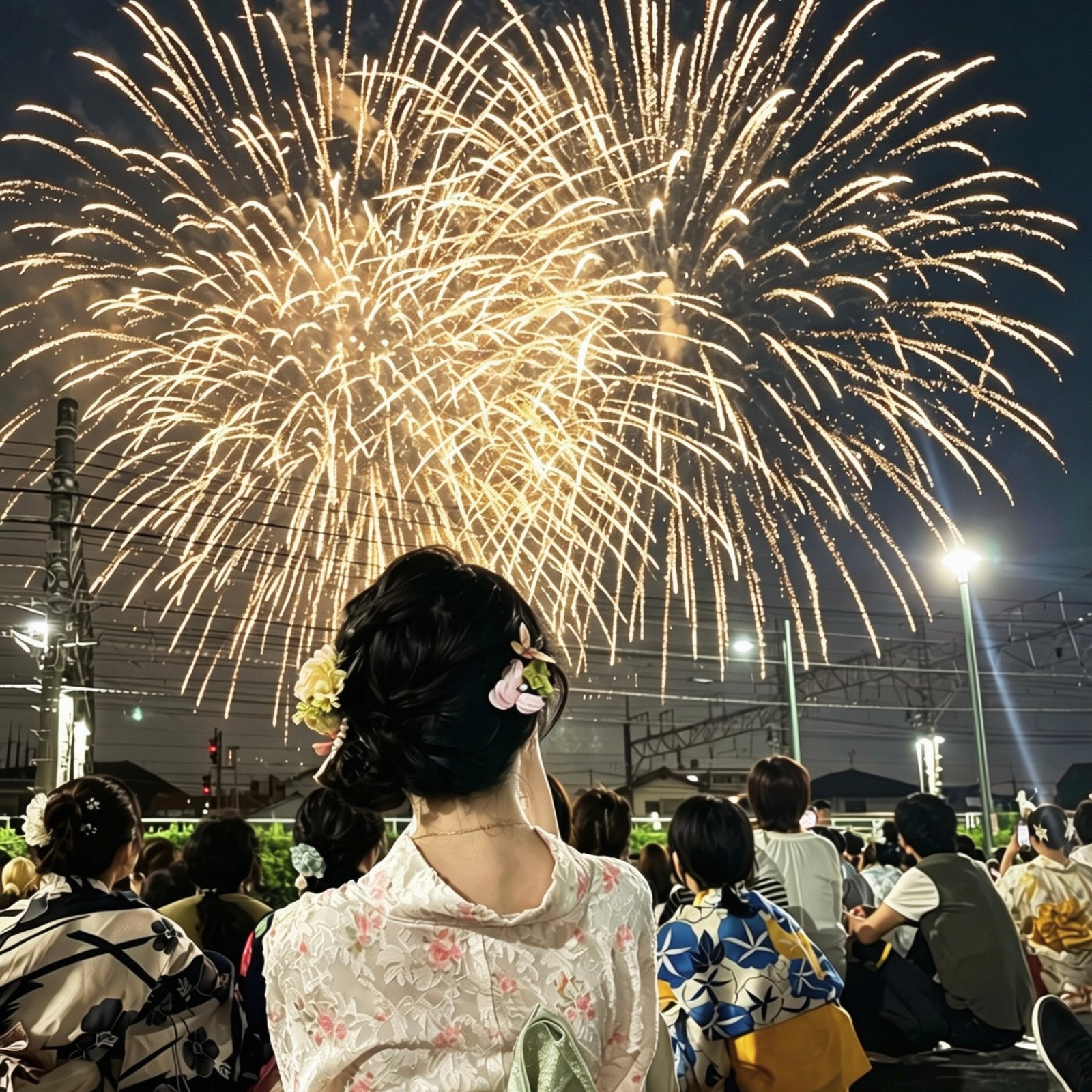
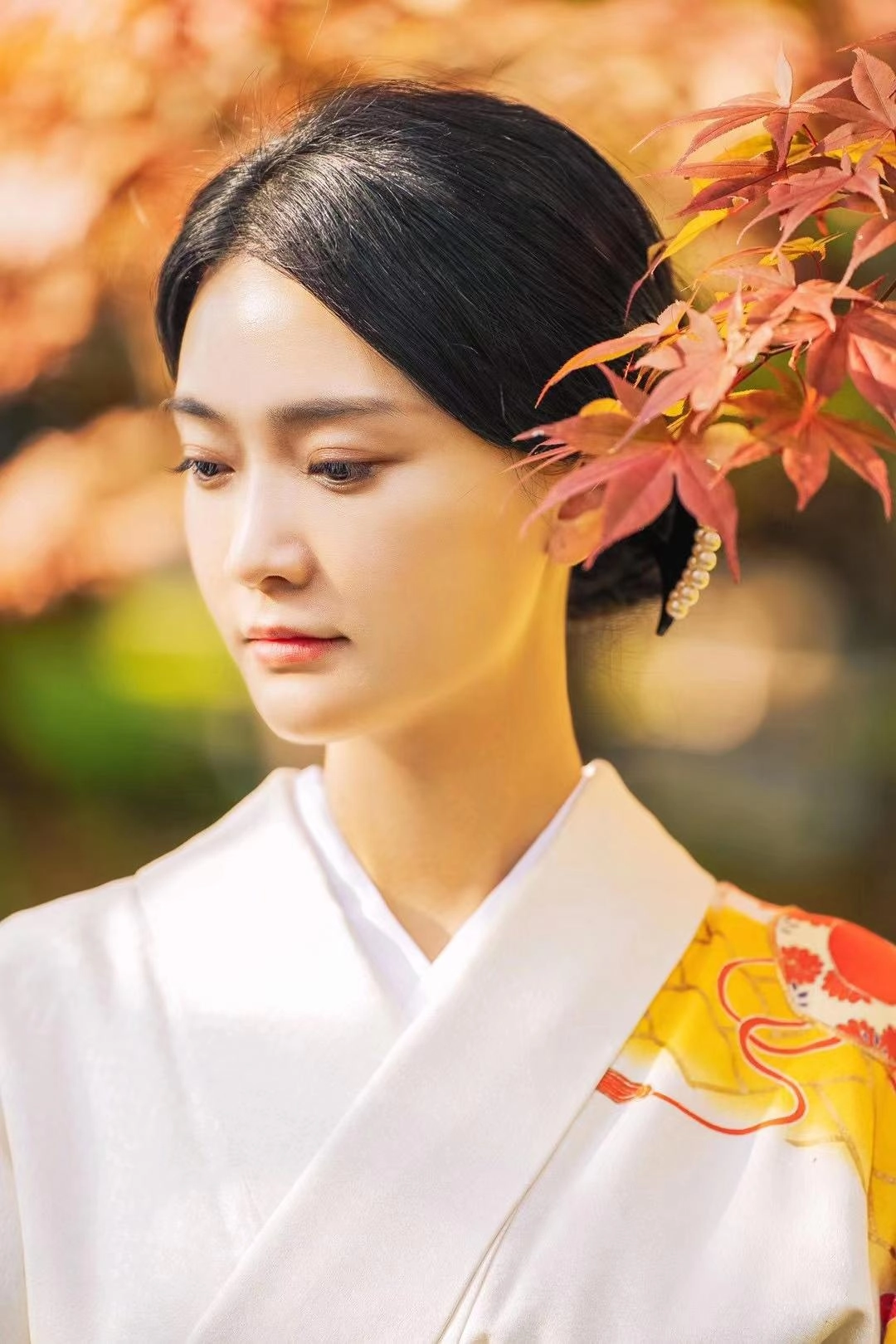
In Japanese life ceremonies, the kimono plays an irreplaceable role. During the Shichi-Go-San festival, children wear brightly colored kimonos; at Coming-of-Age ceremonies, twenty-year-olds wear furisode; in weddings, the bride’s white kimono symbolizes purity, while the black kimono foreshadows a colorful married life. Even at the time of death, a special burial garment is worn for the final journey of life. Kyoto’s maiko, tea masters, Noh performers, and other inheritors of traditional culture maintain the vitality of these ancient skills through the kimono. Every spring, summer, autumn, and winter, the Japanese change the material and color of their kimonos according to the season—early summer’s sheer yukata is embroidered with goldfish and morning glory flowers, while late autumn’s katakana features somber maple and ginkgo patterns. This philosophy of dressing in harmony with nature embodies the important aesthetic concept of “seasonality” in Japanese culture.

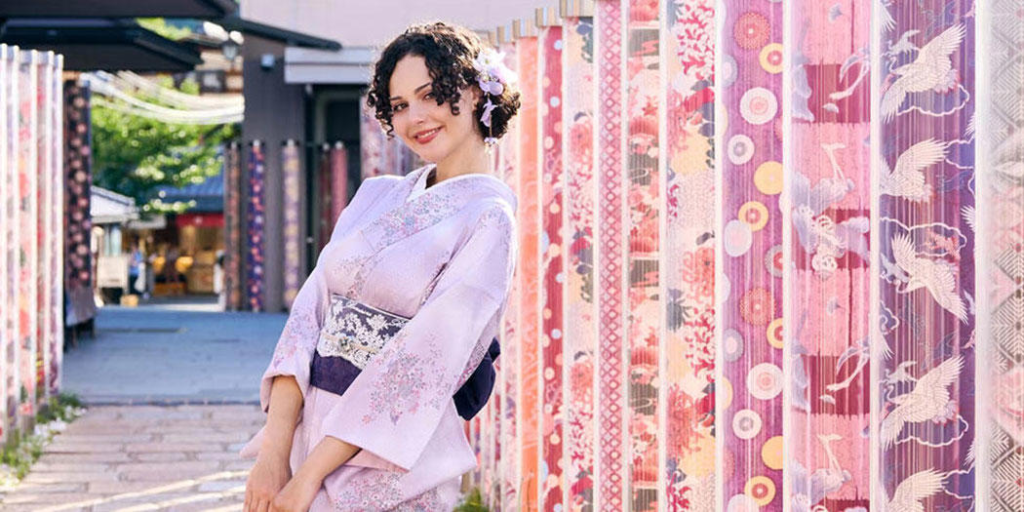
In contemporary Japanese society, the kimono faces a dual challenge of tradition and innovation. On the one hand, less than 10% of the population wears kimonos daily, with the complicated dressing process and high price gradually fading it from everyday life. On the other hand, a new generation of designers is attempting to integrate kimono elements into modern fashion; the works of masters such as Hanae Mori and Issey Miyake frequently feature kimonos. Interestingly, many foreign tourists show great interest in kimono culture, making kimono rental shops in Kyoto popular tourist destinations. This phenomenon of “external enthusiasm but internal indifference” has sparked a profound debate within Japan regarding cultural heritage—should the kimono be preserved as a museum exhibit, or should it be revitalized through innovation?

The aesthetic value of the kimono far surpasses its practical function. Its square, straight cut, which wraps around the body, suggests the Eastern culture’s reverence for subtlety and restraint; the dignified posture created by the obi (sash) reflects Japanese society’s emphasis on etiquette and restraint; and the swaying hem with each step reveals a graceful beauty within its strictness. This “combination of movement and stillness” perfectly reflects the contradictory unity of Japanese culture itself—seeking nature within extreme order, and embracing individuality within strict norms. The flowing hems of kimonos in Akira Kurosawa’s films, the vibrant colors of the kimonos worn by geishas in Yasunari Kawabata’s snow country novels—these artistic representations have made the kimono an important window for the world to understand Japan.

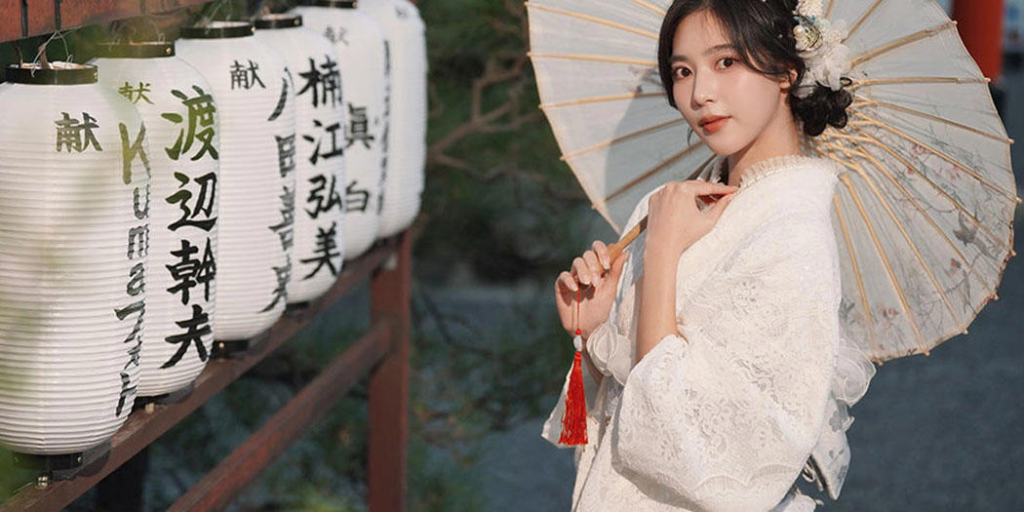
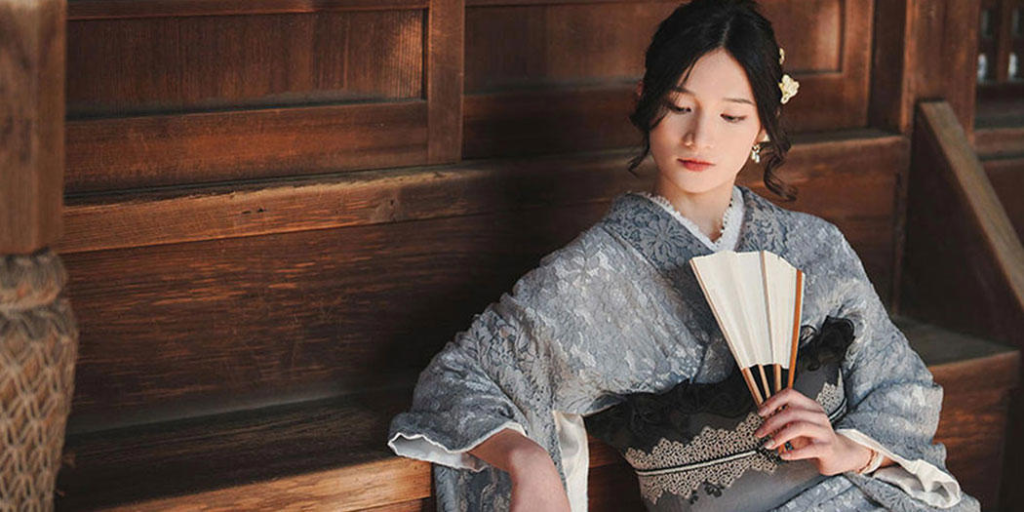
Walking through Tokyo’s Ginza and Kyoto’s Gion district, you’ll see two strikingly different kimono scenes—the former featuring fashionistas experimenting with trendy jeans, and the latter showcasing geishas’ refined adherence to tradition. This contrast perfectly illustrates the vitality of kimono culture: it is both a frozen history and a flowing modernity. When a foreign tourist awkwardly ties their obi (sash), or a Japanese girl chooses a modified kimono with lace lining for her graduation ceremony, the cultural genes of the kimono are continued in new forms. Perhaps true tradition lies not in clinging to form, but in the creativity of integrating the past into the present—just as Japan transformed Gofuku (a type of traditional Japanese clothing) into the kimono a thousand years ago, isn’t today’s innovation the most sincere tribute to tradition?

滚动至顶部